Best Fencing Builders: Choosing the Right Equipment
A fence is one of those home tasks people admire from the sidewalk, after that forget about up until something begins wobbling, squealing, or leaning like it's reevaluating its life selections. The truth is, a fencing rarely stops working because the boards weren't "quite enough." It fails due to the fact that the equipment did not match the work, the climate, or the way the fencing actually gets stressed.
If you have actually ever viewed a blog post gradually turn into an enigma over a number of seasons, you currently know the punchline. Good secure fencing home builders do not just slap product onto a structure. They obsess over connections, bolts, anchors, deterioration resistance, and the stuff you can't see when every little thing is installed. That's where the best fence companies gain their maintain, and where picking the right hardware becomes the distinction in between "nice fencing" and "good fence that still looks wonderful following year."
Below is the practical, real-world method to consider equipment when you're employing the very best fencing contractors, comparing best fencing installers, or making a decision whether you're collaborating with the best fencing builders for your details yard.
The hardware is the structure, not the decoration
People love to talk about wood types, board accounts, and whether a gateway matches. Those matter, but hardware is what locks the system with each other and maintains it this way via wind, rain, freeze-thaw cycles, and the periodic impact from a rogue lawnmower.
A fence is primarily a collection of pressure transfers. Wind pushes. Bolts resist pull-out and shear. Messages carry the tons. Brackets disperse it. Hinges and latches take recurring activity. If any type of web link because chain is underspecified, the fencing will eventually "locate the powerlessness." Normally it does this in the least lovely means, like loosening up hardware near the bottom first, where water rests and salt or dirt splash happens.
When you're comparing Best Fence Contractors or Best Fence Installers, do not allow them win your interest with glossy renderings. Ask what hardware they prepare to utilize, and why.
Start with the fence type, because stress changes everything
Different fencing designs pack the hardware differently. A strong panel fence can act like a sail in heavy wind events, placing more stress on the blog posts and bolts. A spaced picket fencing allows air flow, generally minimizing suction pressures, however it still draws on rails and causes racking when posts relocate even slightly.
Then there's the ground condition. Fences on compressed soil act in different ways than fences on loosened fill, clay, or slope locations where water drainage and freeze lines are unequal. Blog posts might not move much when they're newly established, but they will certainly if the base support is weak or if hardware urges rotation.
Even before you speak bolts, you ought to recognize what hardware groups you're truly selecting:
- Fasteners for rails and boards (nails, screws, bolts, staples)
- Hardware for joints (braces, stress equipment, corner braces)
- Post anchoring system (concrete, ground screws, post bases, hardware-coated blog posts)
- Gate equipment (joints, latches, pivots for entrance weight, adjustable hardware)
- Corrosion security (galvanization, stainless, covered steel, treated lumber compatibility)
Post configuration: the component that chooses whether "hardware selection" matters
If your blog posts stop working, whatever else is just adding a nice frame around an architectural problem. The hardware conversation starts at the blog post base and proceeds via exactly how rails attach to posts.
Concrete and post bases are not interchangeable
An usual blunder is thinking that if someone made use of concrete, the work is automatically strong. Concrete helps, however just if the message is set correctly, with proper deepness and water drainage considerations. Some installers depend on "sufficient" hole dimensions or bury the message also shallow, after that compensate with thicker lumber. That may delay failing, but it doesn't repair the root cause.
Post bases matter due to the fact that they keep the wood raised and decrease direct contact with dirt dampness. Hardware that isolates treated lumber from particular metals can additionally aid. If you've ever before seen fasteners corrosion too soon or wood turn gray-black in a hurry, you've most likely met the chemistry issue: dealt with wood, incompatible steel, and wetness collaborating like a sitcom duo.
If you get on deck grounds or special structures, equipment changes
Fences placed on existing frameworks, like masonry walls, maintaining wall surfaces, or deck surface areas, call for supports and braces crafted for that environment. Those connections experience different types of stress than ground-set posts.
If you're managing masonry, ask about support type and spacing. If you're dealing with a deck or concrete outdoor patio edge, ask whether they're utilizing proper base plates and load-rated attachments. Equipment ought to be chosen for the course of force, not just for "what's in the vehicle."
Fasteners: screws, nails, and why the "best" depends upon what you're attaching
When house owners ask about equipment, the answers often get simplified right into a battle: screws versus nails. Real life is messier.
Screws have a tendency to hold much better in lots of fence develops because they grasp and resist pull-out, specifically when connecting rails to articles or boards to rails. They also enable fine positioning throughout installation. The compromise is that screw installment can be slower, and it's very easy for installers to utilize the wrong screw kind or size, or to overdrive screws right into wood.
Nails can work very well when the ideal nail is utilized, the application matches, and the team is consistent. Nails are quicker, yet pull-out resistance differs. In certain conditions, you can see very early looseness at joints if nail choice and positioning aren't right.
What matters most is not just "screw versus nail." It's:
- Fastener material and coating
- Diameter and length for the details joint
- Spacing and side distance
- Whether the fastener is meant for cured lumber contact
- Whether the bolt is ranked for outside direct exposure and rust resistance
Corrosion resistance: do not treat it like a suggestion
For fences, corrosion is inevitable. The question is whether it occurs rapidly adequate to spoil your fencing prior to you prepare to replace it. Hardware marketed as exterior-rated is a start, however you should understand what kind.
Hot-dipped galvanized, stainless, or correctly coated exterior fasteners usually execute finest in damp areas. In coastal or hefty salt direct exposure areas, the "nice galvanized" a contractor made use of last time could develop into an "unfortunate science experiment" in a period or two.
If the installer says, "It's all galvanized, it's fine," ask one follow-up: what sort of galvanized and what fastener material is it? If you can't get a clear answer, you might intend to treat that as a warning sign.
Rails and braces: the peaceful heroes of stiffness
Rails are where fences get tricky. Even little post movement transfers right into racking lots, and those loads are combated at the rail-to-post connections. Hardware design below impacts exactly how the fencing withstands wobble and the length of time it remains tight.
A durable fencing has connections that do 2 points at once: they hold firmly, and they allow the structure to act predictably under wind without loosening up. Several fencing failings turn up as rails wandering away from articles, or screws slowly backing out. That can take place if the brace is incorrect, the rail period is too wish for the link stamina, or if the fasteners weren't put to stand up to the instructions of the forces.
Brackets, edge hardware, and dental braces are the distinction between a fencing that flexes beautifully and one that becomes a loosened collection of components. Corner articles award winning fence company particularly take abuse. They handle lateral tons from 2 fencing instructions, plus dirt activity and gravity. If a contractor makes use of light-weight connections at corners, it will commonly show up as the corner "opening" over time.
Hardware for gateways: where style meets leverage
Gates are the most human component of a fencing. Individuals open them, close them, lean on them, and often neglect they exist when backing up with a truck. Equipment failings commonly end up being visible first at joints and locks due to the fact that entrances move constantly.
Gate hinges ought to match eviction size, weight, and whether the gate is under tension or supported with appropriate framing. A tiny hinge could be practically "ranked" for a generic weight, but if the gate structure is thicker, the timber is heavier, or the fencing line compels a tilted swing, those scores may not hold in practice.
Latches are likewise worth focus. A lock that does not engage easily can create "babble," loosening up fasteners. Gravity and duplicated cycling can antagonize you even when the fencing looks fine.
If your gateway gets on an incline, hardware needs to fit placement changes. A gate that scrubs will eventually put on down the call points, and those wear patterns cause imbalance and more tension on joints. This is the part where great installers protect against troubles instead of reacting after something binds.
Picking "treated timber compatible" equipment: the chemistry test no one asked for
Treated lumber is crafted to stand up to rot, and it does so utilizing chemicals that can engage with particular metals. website That indicates your bolts and connectors require to be ideal for treated wood.
Most respectable fencing contractors recognize this, but not every contractor makes it a marketing point. It ought to be common practice. If you get inconsistent responses, it's reasonable to ask:
- Are the bolts designed for cured lumber?
- Are the braces and ports rated for outside use and moisture exposure?
- Are they utilizing stainless or compatible coated metal where required?
This isn't fear. It's fundamental compatibility. When the incorrect metal satisfies dealt with wood plus dampness, you can get faster rust than you anticipate, occasionally right where you the very least desire it: at joint links that are hard to access once the fence is finished.
Weather and area: your equipment ought to fit the climate you actually live in
Hardware selection isn't just regarding the fencing style, it has to do with the environment it survives. If you live where wintertimes bring duplicated freeze-thaw, the soil steps, message bases shift a little, and equipment needs to endure activity without loosening up or snapping.
In damp environments, corrosion accelerates at joints that hold water, like overlaps at rail ends and protected corners. If your fence includes entrances or horizontal surface areas that collect overflow, rust resistance ends up being a lot more important.
In gusty areas, racking loads raise. That pushes you towards stronger links, stiffer rail systems, and thoughtful spacing. Equipment needs to have the ability to preserve stability under cyclic stress, not simply make it through a single gust.
If you're hiring the very best fencing contractors in a high wind or seaside area, you're actually employing their capability to match hardware to the tension account where you live. The "best" installer isn't the one who quotes the most affordable number, it's the one who has actually seen your climate before.
Questions to ask your home builder before you commit
If you intend to contrast Best Fencing Companies or Best Fence Installers without transforming the discussion right into a permanent design seminar, ask questions that compel specifics. The best contractors will invite it, since they have actually obtained clear solutions and they understand you're securing your investment.
Here are 5 questions that reliably different detail-focused staffs from guessers:
- What specific fasteners and finishes are you using for rails and boards, and are they ranked for exterior and treated lumber contact?
- How deep will certainly you establish posts, and what post base or anchoring technique will certainly you utilize for my soil and drain conditions?
- For edge and end blog posts, what bracing or reinforcement equipment do you install, and how is it fastened?
- What hinges and lock kinds do you make use of for gateways, and are they selected based upon entrance dimension and weight?
- How do you handle fence placement and hardware adjustment after installation on slopes or uneven ground?
You'll notice the questions are not regarding whether they "do quality work." They're about the link factors where quality either exists or does not.
The setup information that make hardware last
Even ideal hardware can fall short if installment is sloppy. The connection high quality depends upon just how the hardware is installed, not just what the equipment is labeled.
Good installers drive or attach with regular technique. They stay clear of dividing timber, respect side distances, and use appropriate pre-drilling when required. They additionally prevent over-tightening screws that can remove wood fibers or deform the link surfaces.
Spacing matters. If bolts are placed as well far apart, the joint flexes more and the hardware loosens faster. If they are also near a side, you risk splitting that transforms a limited joint into a loosened one.
Alignment issues as well. A rail that rests a little skewed can require hardware into a bind. That bind boosts tensions at screw heads and can loosen connections over time. It likewise causes uneven boards, which then causes homeowners observing the fence "looks off," also if the structure is holding.
Trade-offs: when "far better" equipment expenses extra for a reason
Sometimes the most effective choice is not the most pricey one. A great fencing builder balances hardware expense with expected life expectancy and regional risk.
For instance, stainless fasteners can be exceptional for deterioration resistance, however they may be overkill for each element in inland areas with modest dampness. On the other hand, galvanized equipment might be great in dry environments but not in seaside areas with hefty salt exposure.
There's likewise a functional trade-off between hardware tightness and versatility. A fencing that is as well stiff can transmit shocks to blog posts and joints in a way that encourages breaking or pull-out. A fence that is as well flexible can rack and loosen fasteners.
That's where knowledgeable installers gain their reputation. They don't just select the "greatest" steel. They select the equipment that keeps connection stability while allowing the fencing to tolerate regular movement.
A realistic comparison: what you'll see in bids
When contrasting quotes from Best Fence Companies, Best Fence Contractors, and Best Fence Installers, you could see similar overalls but various hardware line things concealed in the information of the proposal.
Sometimes a lower quote makes use of lighter connectors, shorter post lengths, fewer fasteners per rail, or hardware that is "outside" but not corrosion-optimized for your setting. Various other times the lower quote is just ineffective labor, and the hardware quality could still be solid. That's why you need to ask for uniqueness and, when feasible, for the brand names or kind of hardware.
If the service provider can not provide equipment information, you can still evaluate their process. Do they speak about bracing edges? Do they explain blog post base selections? Do they review compatibility for treated timber? Do they describe just how they prevent water trapping at joints? Those are the telltales that the hardware strategy is more than a guess.
Two hardware situations I've seen go wrong (and just how to prevent them)
I'll maintain this based, due to the fact that the patterns repeat.
First circumstance: galvanized bolts that look penalty during setup, after that loosen within a period or two on a fence line that gets hefty rain and lawn sprinkler overspray. The building contractor utilized exterior-rated hardware, but not the right layer for the moisture exposure at those joints. The fencing didn't collapse, but it slowly lost tightness. Bed rails started to move, and the property owner spent the next year tightening and enjoying the problem return. The fix wasn't cosmetic. It was exchanging to hardware with greater rust resistance and re-torquing joints with proper technique.
Second situation: corner articles without sufficient reinforcement. The fencing itself looked straight at first, however wind lots pushed against the line, and the corner articles experienced greater lateral stress. Hardware for those joints was either as well light or otherwise positioned to withstand racking. Within a couple periods, you 'd see the edge gap expand slightly and eviction stop latching efficiently. The visual problem was apparent, but the architectural reason was clear: the connections at the corner were not developed for corner stress.
Both scenarios are why equipment option must be discussed with specificity, not with self-confidence theater.
What "Best Fencing Builders" normally do differently
The best fencing builders deal with hardware like a system, not a wish list. They think about exactly how pressures relocate with articles, rails, and entrances. They take into consideration soil problems, drain, local rust threat, and the means the fence line acts in wind.
They also build for maintainability. If a gateway pivots ultimately require change, the equipment layout must permit solution without disassembling half the fencing. A well-thought-out equipment strategy maintains the fencing working long after the installer has actually left and the billing is just a memory.
You'll recognize this way of thinking when they can describe their choices clearly. They don't just state what they will install. They discuss why it will certainly stand up in your yard.
Final idea: choose the equipment that matches your anxiety, not just your style
Choosing equipment can really feel oddly technical when you're standing in a backyard with a determining tape and a dream. Still, it's the most practical way to avoid fence regrets.
If you're searching for the Best Fencing Companies or evaluating whether a particular crew is amongst the very best Fence Contractors or Best Fence Installers, bring your emphasis back to link points. Inquire about message bases and anchoring, fastener materials and corrosion resistance, edge support, and entrance hardware selection.
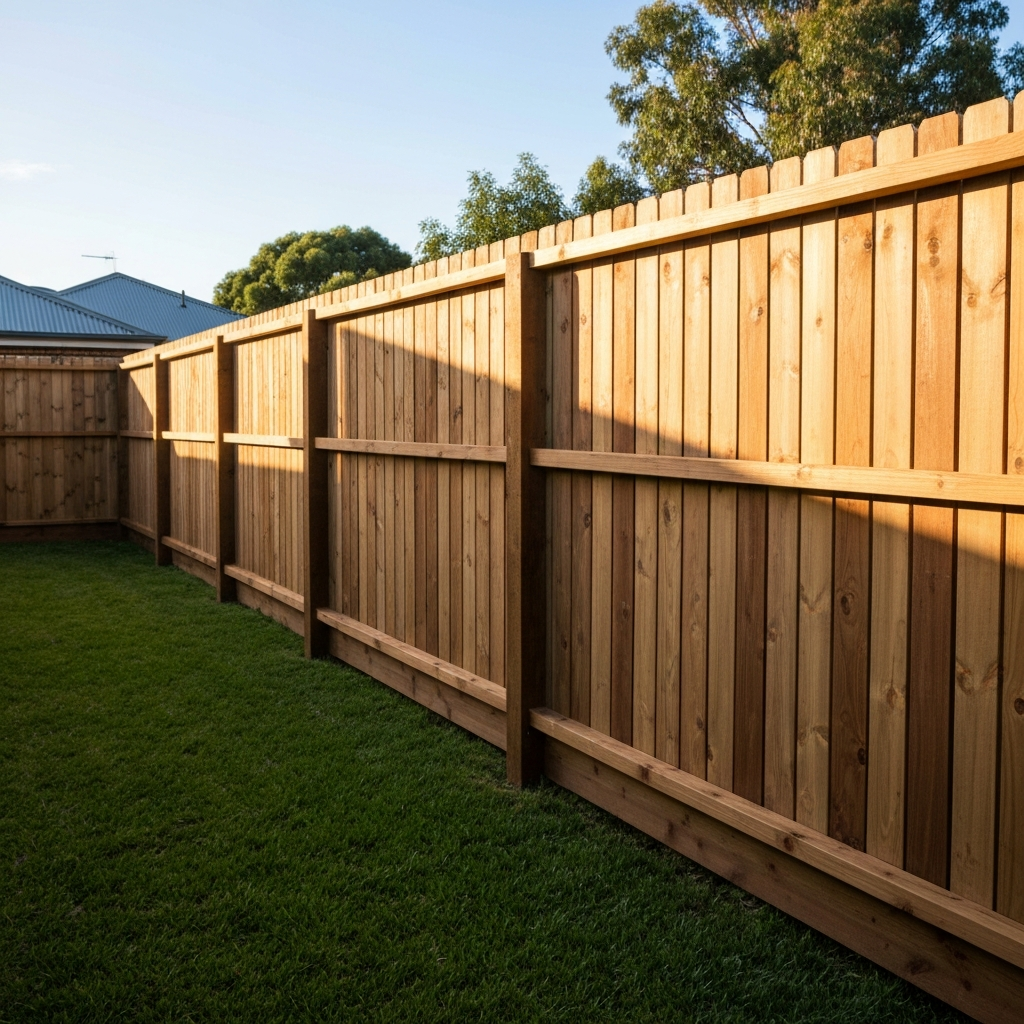
A fencing ought to appear like it belongs in your yard from the first day, yet it needs to also act like it belongs there years later. Equipment is exactly how you make that happen.